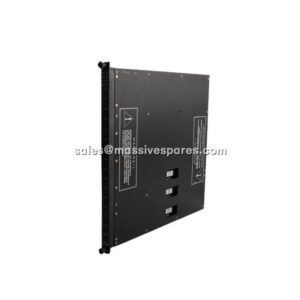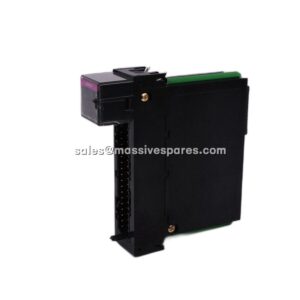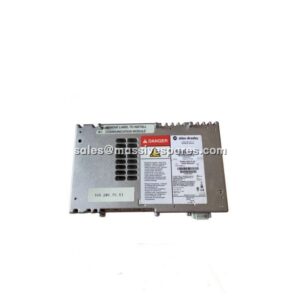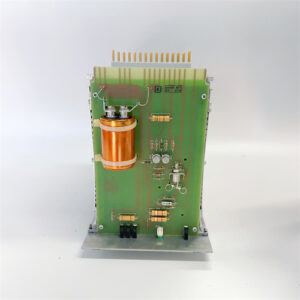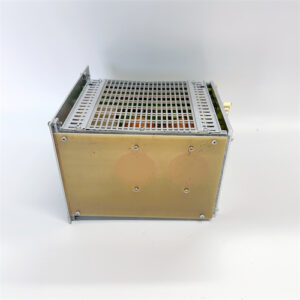

Description
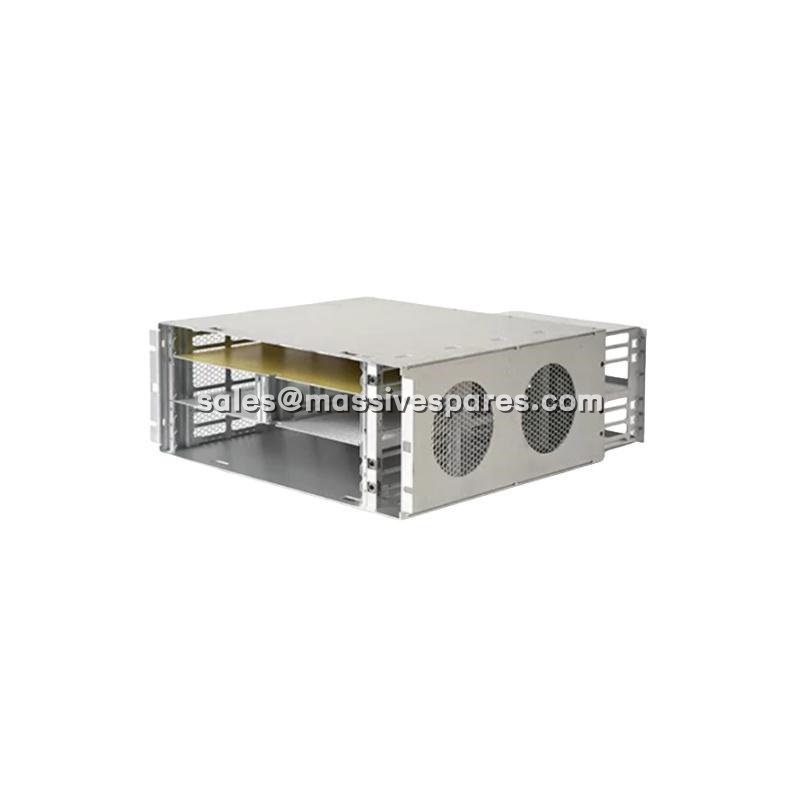
Application Scenarios
In a large-scale manufacturing plant, engineers were facing frequent downtime due to unstable control signals in their legacy automation system. After integrating the ABB PPC907BE into their distributed control system (DCS), the facility experienced a 40% reduction in unplanned outages. The PPC907BE stabilized signal processing and improved communication between field devices and the central controller. This real-world scenario highlights how the ABB PPC907BE addresses critical pain points in heavy industries such as oil & gas, power generation, and chemical processing—where precision and uptime are non-negotiable.
Parameter
| Main Parameters | Value/Description |
|---|---|
| Product Model | ABB PPC907BE |
| Manufacturer | ABB |
| Product Category | Control Board / Controller Module |
| Input Voltage | 24 V DC (nominal) |
| Operating Temperature | -20°C to +70°C |
| Communication Interface | RS-485, Modbus TCP/IP |
| Processing Speed | 200 MHz |
| Memory | 64 MB RAM, 128 MB Flash |
| Isolation Voltage | 500 V AC |
| Mounting Type | DIN Rail / Panel Mount |
| Dimensions (W x H x D) | 120 mm x 80 mm x 45 mm |
| Certifications | CE, UL, RoHS |
Technical Principles and Innovative Values
- Innovation Point 1: Advanced Signal Processing
The ABB PPC907BE utilizes a high-speed 200 MHz processor to execute real-time control algorithms with minimal latency. This ensures accurate responses to dynamic process changes, which is critical in continuous production environments. - Innovation Point 2: Robust Communication Architecture
With dual communication protocols (RS-485 and Modbus TCP/IP), the PPC907BE supports seamless integration into both legacy and modern industrial networks. This flexibility reduces retrofitting costs and enhances system scalability. - Innovation Point 3: Enhanced Electrical Isolation
The board features 500 V AC isolation between input/output channels, protecting sensitive components from voltage surges and ensuring operator safety in high-voltage environments. - Innovation Point 4: Wide Environmental Tolerance
Engineered to operate in extreme temperatures ranging from -20°C to +70°C, the maintains performance in harsh conditions such as foundries, refineries, and outdoor installations.