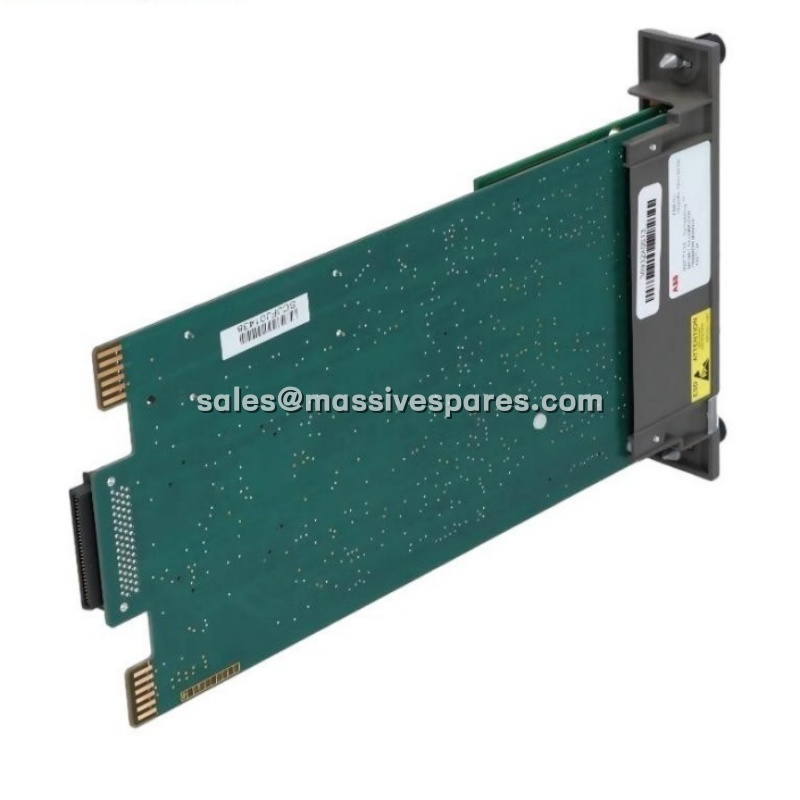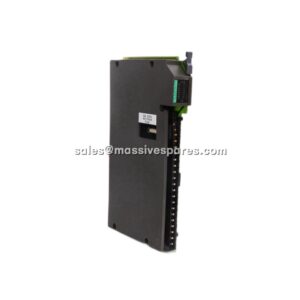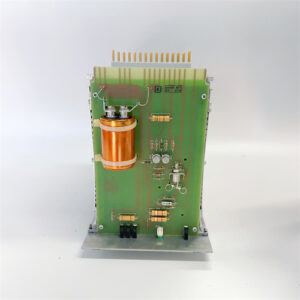

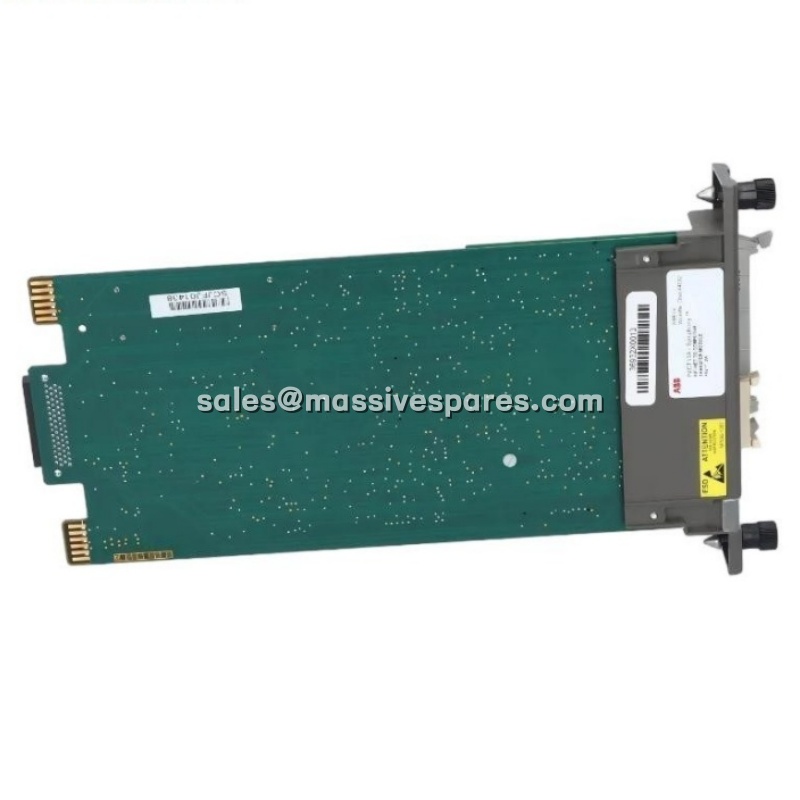
Description
Application Scenarios
A regional power plant was running a 1990s-vintage Bailey INFI 90 system on its boiler and turbine auxiliary controls. The original INICT03A-based computer interface had begun reporting intermittent timeouts between the control network and the operator interface computers, and the separate IMMPI01 multi-function processor interface added another point of failure in the signal chain. The instrumentation team needed a direct replacement that would preserve the existing Infi-Net addressing, cabinet footprint, and host cabling while eliminating the legacy MPI card. The INICT13A was selected because ABB evolution documentation identifies it as the documented successor to the INICT03A and because, unlike earlier arrangements, it performs the communication-transfer role without requiring a separate IMMPI01. The replacement restored stable data exchange to the operator and engineering stations and removed one obsolete card from the architecture.
In a second case, a pulp and paper mill needed to keep its Bailey INFI 90 system feeding process data to a historian and OPC collection server while planning a longer-term modernization. The existing computer transfer hardware was no longer supported and spare stock had dried up. By installing a tested INICT13A alongside its INNIS21 network interface slave module partner, the mill regained a reliable path for process variable upload and control command download without rewriting application logic or disturbing the field I/O. This bought the operations team time to schedule a measured Symphony migration rather than being forced into an emergency, unplanned cutover.
Parameter
| Parameter | Value / Description |
|---|---|
| Product Model | INICT13A (also cataloged as ICT13A) |
| Manufacturer | ABB Bailey (originally Bailey Controls) |
| Product Type | Infi-Net to Computer Transfer Module (ICT) |
| Product Family | Bailey INFI 90 OPEN / Symphony Harmony |
| Primary Function | Transfers data between Infi-Net control network and computer systems |
| Network Family | INFI-NET |
| Interface Role | Infi-Net to computer interface |
| Partner Module | INNIS21 Network Interface Slave Module |
| Predecessor Model | INICT03A (ABB evolution path) |
| Legacy Interface | IMMPI01 not required with INICT13A |
| Computer Side Interfaces | RS-232-C and SCSI |
| Communication Mode | Command-driven host interface with buffered data exchange |
| Logic Supply | 5 VDC / 2 A from rack backplane |
| System Diagnostics | Module, INNIS21, and Cnet/Infi-Net diagnostic functions |
| Mounting | One slot in a standard module mounting unit |
| Front Panel Indicators | Red/green status LED, 16 CPU LEDs, SCSI status LED |
| Operating Temperature | 0 °C to +70 °C |
| Relative Humidity | 20 % to 95 % at up to 55 °C, non-condensing |
| Dimensions | 360.7 × 73.7 × 269.2 mm |
| Weight | 0.658 kg |
| Lifecycle Status | Obsolete / legacy; replacement path to SPICT13A |
Technical Principles and Innovative Values
- Innovation Point 1 — Consolidated Communication Transfer Without a Separate MPI Card. The INICT13A is the documented ABB successor to the INICT03A and performs the Infi-Net-to-computer communication transfer in an ICT13-based interface. Earlier arrangements required a separate IMMPI01 multi-function processor interface; the newer module eliminates that extra card, reducing hardware count, wiring, and failure points in the computer interface node.
- Innovation Point 2 — Command-Driven Host Interface with Buffered Exchange. Rather than passing raw bus traffic, the module uses a command-driven host computer interface and buffers data exchanged between the computer and the Cnet/Infi-Net network. This absorbs the speed difference between the host and the control network and supports structured operations such as process data acquisition, system monitoring, control command issue, and configuration activity.
- Innovation Point 3 — Dual-Port Architecture Working as a System, Not a Standalone Card. The INICT13A is designed to operate with the INNIS21 network interface slave module. Together they exchange Infi-Net information with the connected computer interface: INNIS21 supplies the associated Infi-Net network interface function while the transfer module handles the computer-side exchange. This division of labor is what makes the ICT13 architecture cleaner than its predecessor.
- Innovation Point 4 — Comprehensive Built-In Diagnostics. The module exposes module-level, INNIS21, and Cnet/Infi-Net diagnostic functions through front-panel indicators — a red/green status LED, 16 CPU LEDs, and a dedicated SCSI status LED. Technicians can localize a fault to the module, the network interface partner, or the network/Cnet path without specialized test equipment.
- Innovation Point 5 — A Practical, Verified Migration Path. Because ABB maps the older INICT03A function to the , plants can stage obsolescence risk out of the system instead of discovering it during an unplanned failure. The migration is documented and hardware-defined, which is materially safer than ad-hoc substitutions.