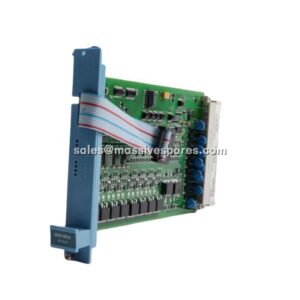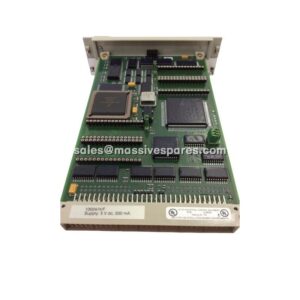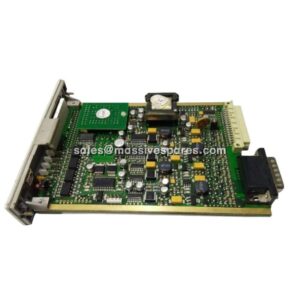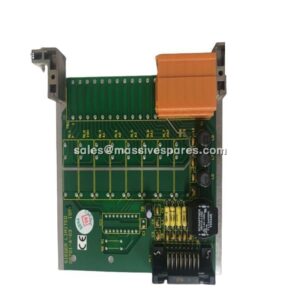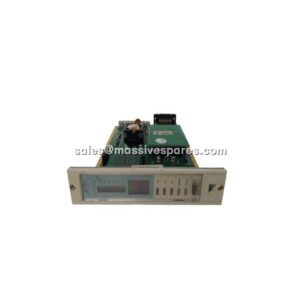

Description
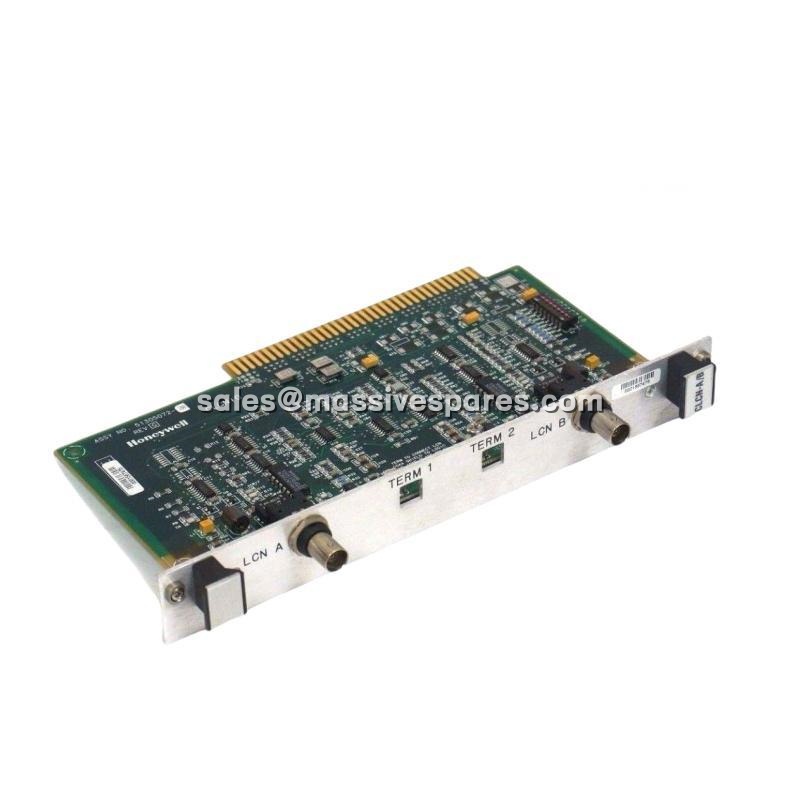
Application Scenarios
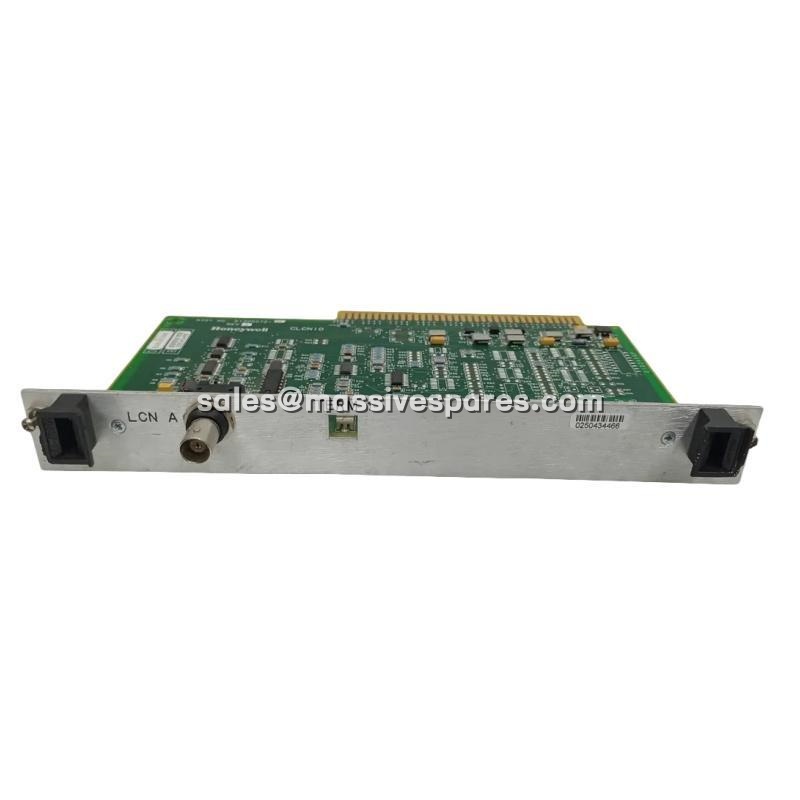
In a refinery central control room managing thousands of process variables, operators rely on the TDC 3000 system to monitor and adjust critical parameters such as column pressure and flow rates. When a command is issued from an operator station, it must travel through the LCN network to reach the target controller without delay. A communication failure at any node could blind operators to essential process data, potentially compromising product quality or safety. The 51305072-100 sits at the heart of this communication path, providing dual redundant connections to LCN A and LCN B cables. If one cable path degrades due to electrical noise or physical damage, the 51305072-100 maintains uninterrupted data flow through the alternate channel, preserving operator visibility and control continuity in continuous-process industries where downtime carries significant financial and safety implications.
Parameter
| Main Parameters | Value/Description |
|---|---|
| Product Model | 51305072-100 |
| Manufacturer | Honeywell |
| Product Category | LCN Input/Output Board |
| System Compatibility | TDC 3000 Process Control System |
| Network Type | Local Control Network (LCN) |
| Connection Ports | LCN A and LCN B (Coaxial/Fiber) |
| Address Configuration | Slide Switch Addressing |
| Redundancy Support | Dual-Cable (LCN A and B) Redundant Links |
| Chassis Compatibility | 5-Slot and 10-Slot Chassis |
| Power Supply | Supplied by Chassis Backplane |
| Weight | 0.20 kg (0.43 lbs) |
| Certification | CE Certified |
Technical Principles and Innovative Values
Innovation Point 1: Dual-Channel Redundant Communication Architecture. The 51305072-100 is built around redundancy as a core design principle. LCN A and LCN B channels operate in parallel, with the system normally using the primary path while the secondary remains in hot standby. When signal loss or excessive bit error rates are detected, the 51305072-100 executes rapid failover, maintaining communication continuity that is virtually transparent to operators and upper-level applications. This directly addresses single-point failures caused by cable aging, electromagnetic interference, or accidental damage in industrial environments.
Innovation Point 2: Slide Switch Hardware Addressing. Unlike modern communication modules that depend on software configuration, the 51305072-100 uses slide switches for LCN node address settings. In long-lifecycle systems like TDC 3000, this design carries practical significance: when replacement becomes necessary, technicians simply replicate the switch positions from the original board without connecting a programmer or laptop. In emergency repair scenarios, the minutes saved can translate directly into faster production recovery.
Innovation Point 3: Backplane Power and Plug-in Simplicity. The 51305072-100 draws operating power from the chassis backplane, requiring only LCN communication cable connections externally. This design reduces wiring complexity within the cabinet and eliminates risks associated with incorrect power connections. The module installs as a standard PCB card into Honeywell 5-slot or 10-slot LCN chassis, enabling replacement without specialized tools.